
Old Mission Peninsula Wineries: A Visitor’s Guide
Key takeaways
- Old Mission Peninsula is a narrow finger of land north of Traverse City, surrounded by Grand Traverse Bay, and its wineries cluster along a single scenic route up Center Road.
- The region sits near the 45th parallel, and deep bay water moderates the climate, which is why cool-climate whites like Riesling thrive here.
- A realistic day covers three or four wineries, not seven, so you can actually taste and enjoy rather than rush.
- Mission Point Lighthouse at the peninsula's tip, first lit in 1870, makes a memorable non-wine stop to break up the day.
- A private limousine tour removes the driving, parking, and sober-driver problem, letting everyone in the group taste freely.
The Old Mission Peninsula wineries sit along a narrow strip of land that runs north from Traverse City into Grand Traverse Bay, and most of them line up within a short drive of a single road. That geography is the whole trick to visiting: you can taste at several well-regarded wineries in one relaxed day without backtracking or long transfers between stops.
This guide covers what makes the peninsula's wine distinctive, which wineries and pours are worth your time, where to pull over for the views, how to pace a full day of tastings, and how a limousine tour from Moviestarswinetours turns the logistics into someone else's problem.
The geography and microclimate behind the wine
The peninsula is a long, thin ridge of land with deep bay water on both sides. That water is the reason wine grapes grow here at all. Grand Traverse Bay is deep enough to act as a thermal buffer, holding warmth into the fall and slowing the spring thaw so buds break later and dodge the worst frosts. The result is a longer, gentler growing season than you would expect this far north.
The peninsula also sits near the 45th parallel, the same latitude that runs through parts of Bordeaux and Oregon's Willamette Valley. That position, combined with the moderating effect of Lake Michigan, suits cool-climate grapes especially well. Riesling is the signature here, joined by Pinot Grigio, Chardonnay, Gewurztraminer, and sparkling wines, with lighter reds like Pinot Noir and Cabernet Franc rounding out many lists.
This is not a small side project for Michigan. Old Mission and its neighbor the Leelanau Peninsula together produce over 60% of the grapes in Michigan, according to Traverse City Tourism. For a visitor, that density means the wineries are experienced, the tasting rooms are polished, and the quality is consistent across a surprising number of stops.
Standout Old Mission Peninsula wineries and their signature pours
You could spend a week here and not see every tasting room, so it helps to know what a few of the anchors are known for before you plan a route.
- Chateau Grand Traverse is the oldest winery on the peninsula and helped prove that European grape varieties could survive northern Michigan winters. It is the classic first stop for Riesling, which it makes in a range of styles from bone-dry to sweet.
- Chateau Chantal pairs wine with one of the best panoramic views on the peninsula, looking out over both arms of the bay. It is a strong choice for sparkling wine and Pinot Grigio.
- Brys Estate is one of the larger estate operations and a good stop for single-vineyard whites, with tidy grounds that are pleasant to walk.
- Bowers Harbor Vineyards leans friendly and unpretentious, with a mix of whites and reds that suit a relaxed mid-route tasting.
- Mari Vineyards stands apart with underground aging caves and a Mediterranean streak, including heartier reds that are less common in the region.
A practical tip: call ahead or check hours before you build a fixed itinerary, since tasting rooms adjust their schedules by season and some take reservations on busy weekends.
Scenic viewpoints and the lighthouse at the tip
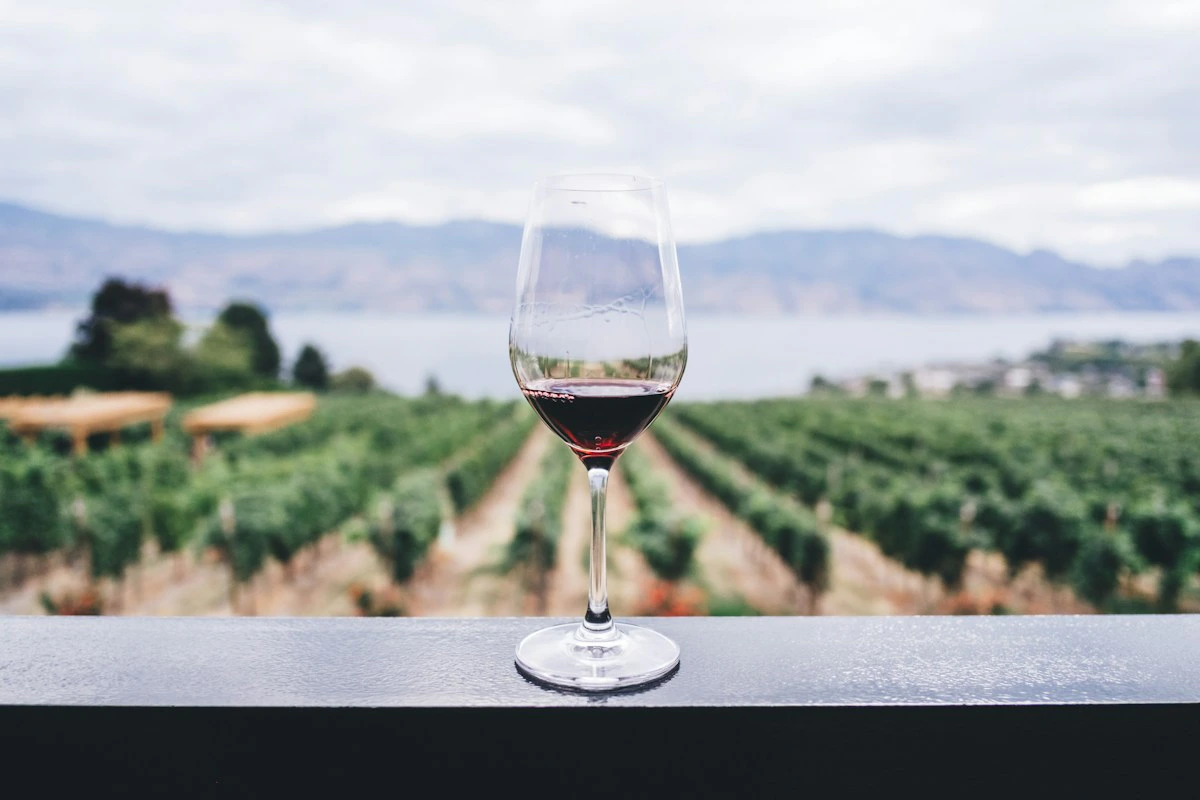
Part of what makes a day here work is that the drive itself is the attraction. Center Road climbs the spine of the peninsula, and the land falls away to water on both sides, so you are rarely far from a view of the bay framed by vineyards and cherry orchards. Several wineries sit on high ground and build their patios around the sightlines, which is reason enough to linger over a glass rather than rush to the next stop.
At the very tip sits Mission Point Lighthouse, a working piece of maritime history and a good way to break up a day of tastings with something that is not wine. The light was first lit on September 10, 1870, and served until it was decommissioned in 1933, according to the Mission Point Lighthouse museum. It stands near the 45th parallel marker, overlooking West Grand Traverse Bay, with a small beach and walking trails nearby. Stretching your legs here resets the palate and the pace before an afternoon stop.
How to pace tastings across a full day
The most common mistake visitors make is trying to hit too many wineries. A tasting flight at each stop adds up fast, and seven rushed visits blur together while leaving no one in shape to drive. A better target is three or four wineries across the day, with real time at each one.
A workable rhythm looks like this:
- Start late morning at one of the anchor wineries while your palate is fresh and the rooms are quiet.
- Break for lunch around midday. Several wineries serve food, or you can pack something and pull over at a scenic spot.
- Visit the lighthouse or a viewpoint in the early afternoon to reset before the next tasting.
- Finish with one or two more wineries, ideally the ones with the best views, so you end the day on a patio rather than in a hurry.
A few habits make the day more comfortable: drink water between stops, eat something substantial at lunch, and use the dump bucket rather than finishing every pour. Buy the bottles you love as you go instead of trying to remember favorites at the end. And be honest about how tastings accumulate. What feels like a small pour at each of four wineries is a real amount of wine by late afternoon.
For a broader picture of the region beyond Old Mission, the state's official travel resource, Pure Michigan, is a useful starting point for planning around the wider Traverse City wine country.
How a limo tour simplifies the whole visit
Everything above assumes one problem is solved: someone has to drive, and that person cannot really taste. On a peninsula where the whole appeal is sampling wine at several stops, a sober driver sitting out the tastings is a genuine loss, and splitting the day so everyone gets a turn rarely works.
A private limousine tour removes that trade-off. Moviestarswinetours runs private and group limo wine tours of Old Mission Peninsula, which means no one in your party has to skip the pours, hunt for parking at each winery, or watch the clock to stay safe for the drive home. The driver handles the route, the timing, and the transfers, so the group can focus on the wine and the views.
The practical benefits add up for a full day out:
- Everyone tastes. No designated-driver sacrifice, so the whole group shares the experience.
- No navigation or parking. You are dropped at the door of each winery and picked up when you are ready.
- Better pacing. A driver who knows the peninsula can sequence stops sensibly and keep the day on track without rushing.
- Room for a group. A limo comfortably carries a party that would otherwise need multiple cars and multiple sober drivers.
If you are planning a birthday, an anniversary, or just a weekend with friends, book a tour window that leaves time for a lunch stop and the lighthouse, not only the wineries. Tell your driver which pours matter most to you, then let the logistics go and enjoy the day the peninsula was built for.
Frequently asked questions
How many wineries are on Old Mission Peninsula?
The peninsula is home to roughly a dozen wineries spread along its length. Most sit within a short drive of Center Road (M-37), so you can visit several in a single day.
What wine is Old Mission Peninsula known for?
Riesling is the signature grape. The cool climate also produces excellent Pinot Grigio, Chardonnay, Gewurztraminer, and sparkling wines, along with some lighter reds like Pinot Noir and Cabernet Franc.
How many wineries can you realistically visit in one day?
Three or four is a comfortable target. That gives you time to taste a full flight, walk the grounds, and enjoy the views without feeling rushed or over-served.
Do I need a designated driver for a wine tour?
Yes. Tastings add up quickly across multiple stops. A private limousine tour, like those from Moviestarswinetours, removes the need for a sober driver so everyone can participate.
When is the best time to visit Old Mission Peninsula wineries?
Late summer and early fall are the most popular, with harvest activity and fall color. Spring and early summer are quieter, and many tasting rooms stay open year-round.